Sports Rehabilitation & Athletic Recovery
Return Stronger After Injury or Surgery
Structured sports rehabilitation and athletic recovery programs in Moline, Illinois.
When you injure yourself during training or competition in Moline, the path back to full function requires more than rest. You need a structured program that rebuilds strength, restores mobility, and prepares your body to handle the demands of your sport without risking reinjury. Ade Medical Group designs rehabilitation plans that address overuse conditions, acute sports injuries, and post-surgical recovery for athletes at every level.
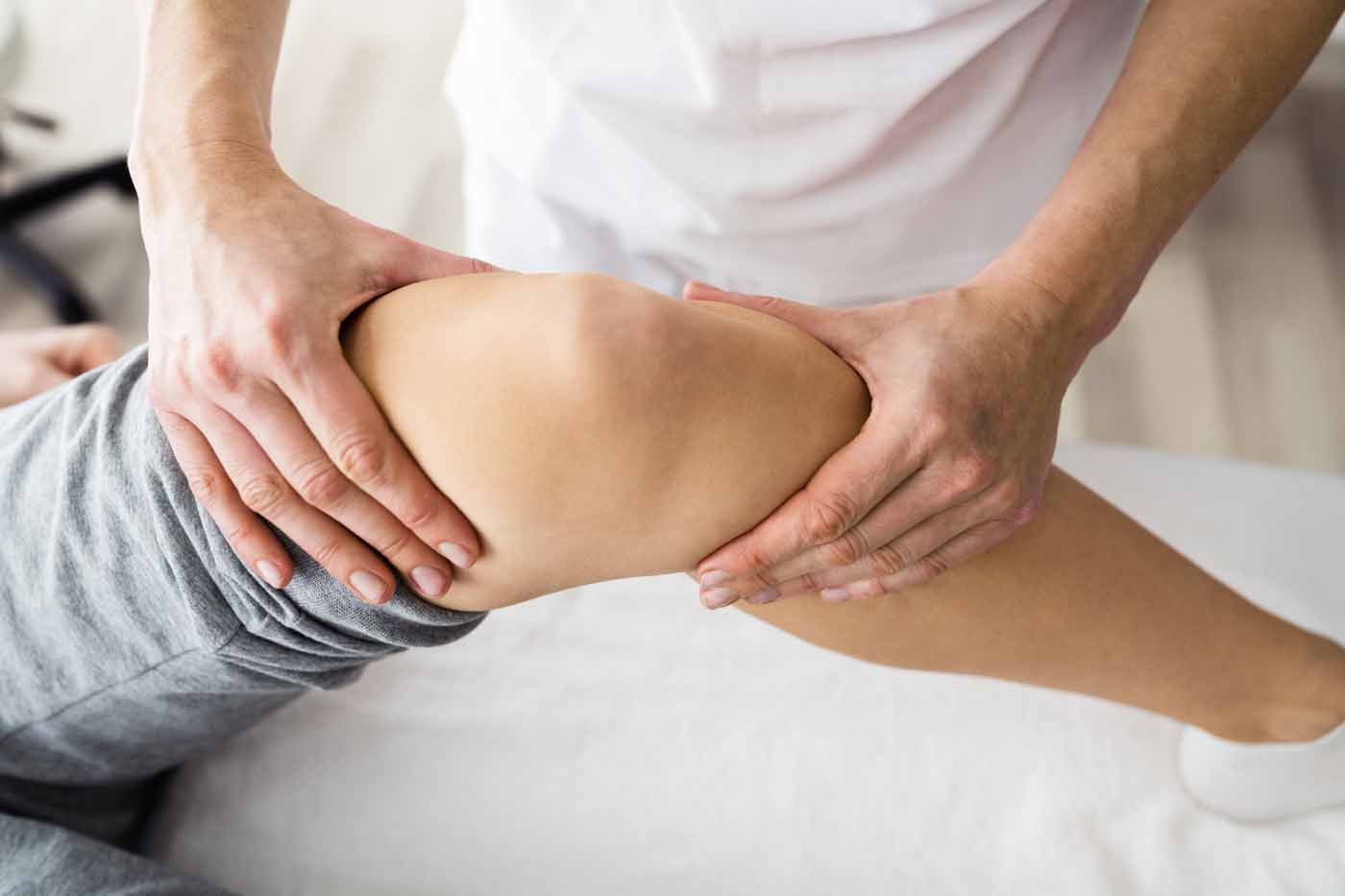
Your treatment combines manual therapy to release tight tissue, corrective exercises to address movement imbalances, and performance-based rehab that mirrors the movements you use in your sport. Each plan is built around your competition schedule and individual goals, whether you play recreationally in Moline or train at a higher level. Walk-in access is available for new injuries, and ongoing support keeps your recovery on track through every phase.
Reach out to Ade Medical Group in Moline to start a recovery plan that gets you back to training and competition safely.
What Happens During Your Rehabilitation Program
Your rehabilitation begins with an evaluation of your injury, your movement patterns, and the specific demands of your sport in Moline. You work through a progression of exercises designed to restore range of motion, rebuild muscle control, and improve stability in the affected area. Manual therapy techniques are used to reduce tension and improve tissue quality before you advance to more dynamic movements.
As your strength and coordination return, you will notice improved control during cutting, jumping, or throwing motions. Your tolerance for training volume increases without triggering pain or swelling. The final phase focuses on return-to-play readiness, ensuring your body can handle full intensity before you resume competition.
Your program adjusts based on how your body responds and what phase of recovery you are in. Some patients continue with maintenance visits after returning to play to prevent setbacks or manage lingering tightness. Your plan remains flexible as your needs change, and the team tracks progress to ensure you meet functional benchmarks before progressing to the next level.
You Probably Have Questions About Recovery
Most athletes want to know how long recovery will take and what they can expect during each phase of treatment. The answers below address common concerns about returning to your sport safely and effectively.
What types of injuries are treated in this program?
The program addresses sprains, strains, tendonitis, ligament injuries, muscle tears, and post-surgical conditions. It also supports overuse injuries like runner's knee, rotator cuff strain, and stress reactions.
How long does rehabilitation take before I can return to my sport?
Recovery time depends on the severity of your injury and how your body responds to treatment. Most athletes progress through phases over several weeks, with return-to-play decisions based on strength and movement quality rather than a fixed timeline.
What should I bring to my first rehabilitation session?
Bring any imaging results, a list of medications, and athletic shoes or gear you use during your sport. This helps your provider understand your injury history and build a program that matches your activity level in Moline.
Why is manual therapy included in athletic recovery plans?
Manual therapy releases scar tissue, reduces muscle guarding, and improves joint mobility before you start loading the injured area. It prepares your body to move correctly during corrective exercises and performance drills.
When can I start training again after starting rehab?
You can often continue modified training while rehabbing, avoiding movements that stress the injured area. Your provider will guide you on safe activities and adjust your plan as your tolerance improves.
Ade Medical Group in Moline offers walk-in access for new injuries and scheduled sessions for ongoing recovery support. Contact the team to begin a rehabilitation plan that prioritizes long-term function and performance.